Find Top Businesses in Ayodhya (UP)
Trending Categories in Ayodhya
Quickly find what you're looking for by exploring our most popular service categories.








Hanuman Garhi Temple
Hanuman Garhi is one of the most famous temples in Ayodhya dedicated to Lord Hanuman. It is believed that visiting Hanuman Garhi before Ram Temple brings good fortune and protection.
List Your Business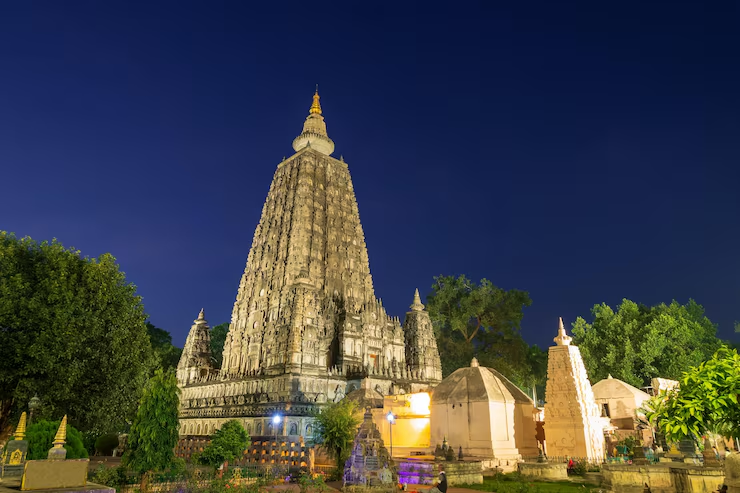
Shri Ram Janmabhoomi Temple
The Shri Ram Janmabhoomi Temple is the most important spiritual landmark in Ayodhya. Devotees from across the world visit this holy place to seek blessings and experience the divine presence of Lord Ram.
List Your Business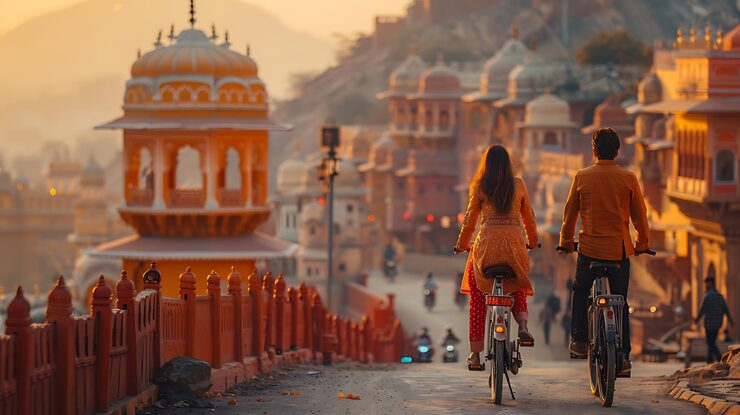
Discover Ayodhya
Ayodhya is one of the most sacred cities in India and the birthplace of Lord Shri Ram. The city is famous for its ancient temples, spiritual atmosphere, and historical heritage that attracts millions of pilgrims and tourists every year.
List Your BusinessStay in Ayodhya
View All
Shri Ram Heritage Hotel
Best Food
View All

Top Services in Ayodhya
See All
What Our Visitors Say
Discover why thousands of travelers trust Explore Ayodhya for their spiritual journey.
"Nice experience working with them. Professional and friendly team."

Pooja Singh
Freelancer
"Excellent support and great results. I would recommend it to everyone."

Sandeep Yadav
Shop Owner
"Very satisfied with the service. The team understood my requirements perfectly."

Anjali Mishra
Content Writer
"Good service and timely delivery. Looking forward to more features in the future."

Rohit Kumar
Software Developer
"The quality of service exceeded my expectations. I will definitely use it again."

Neha Gupta
Designer
"Best platform I have worked with. Everything was smooth from start to finish."

Amit Singh
Entrepreneur
"Great experience overall. Support team was very helpful and responsive."

Priya Verma
Marketing Manager
"Amazing service! The team was very professional and completed the work on time. Highly recommended."

Rahul Sharma
Business Owner